
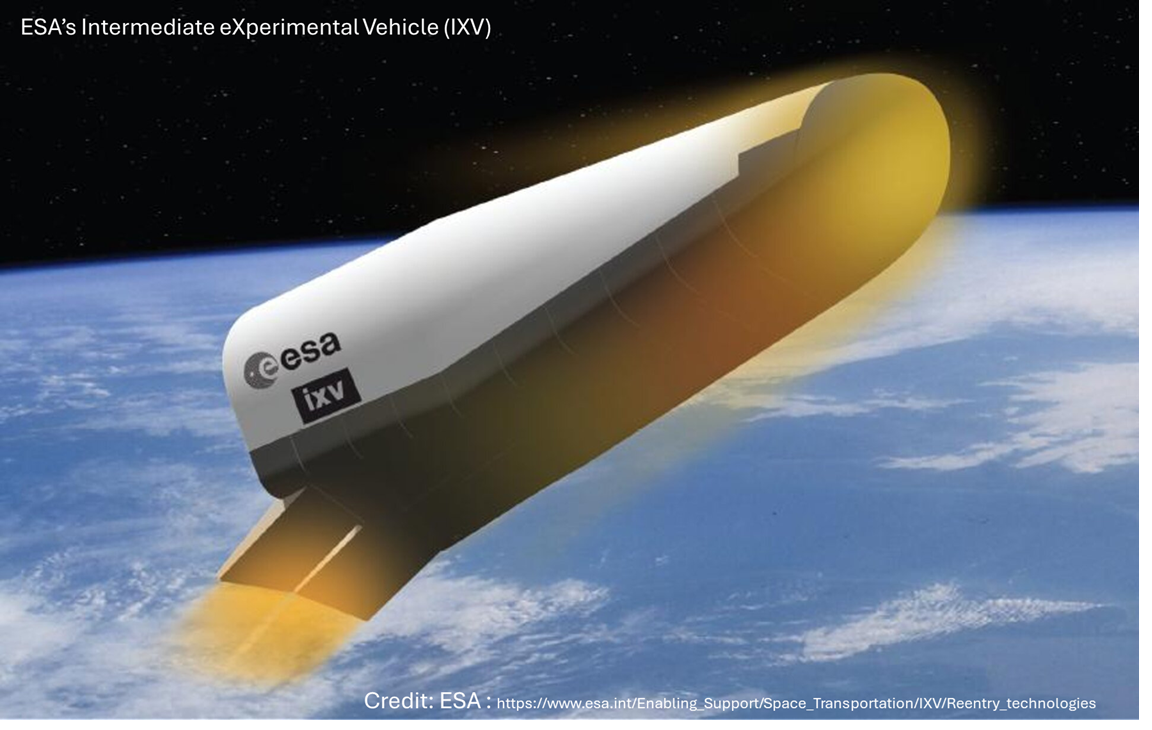
Hypersonic Aerodynamics in Rarefied Flow Regimes
Rarefied aerodynamics begins where the classical continuum assumption starts losing validity.
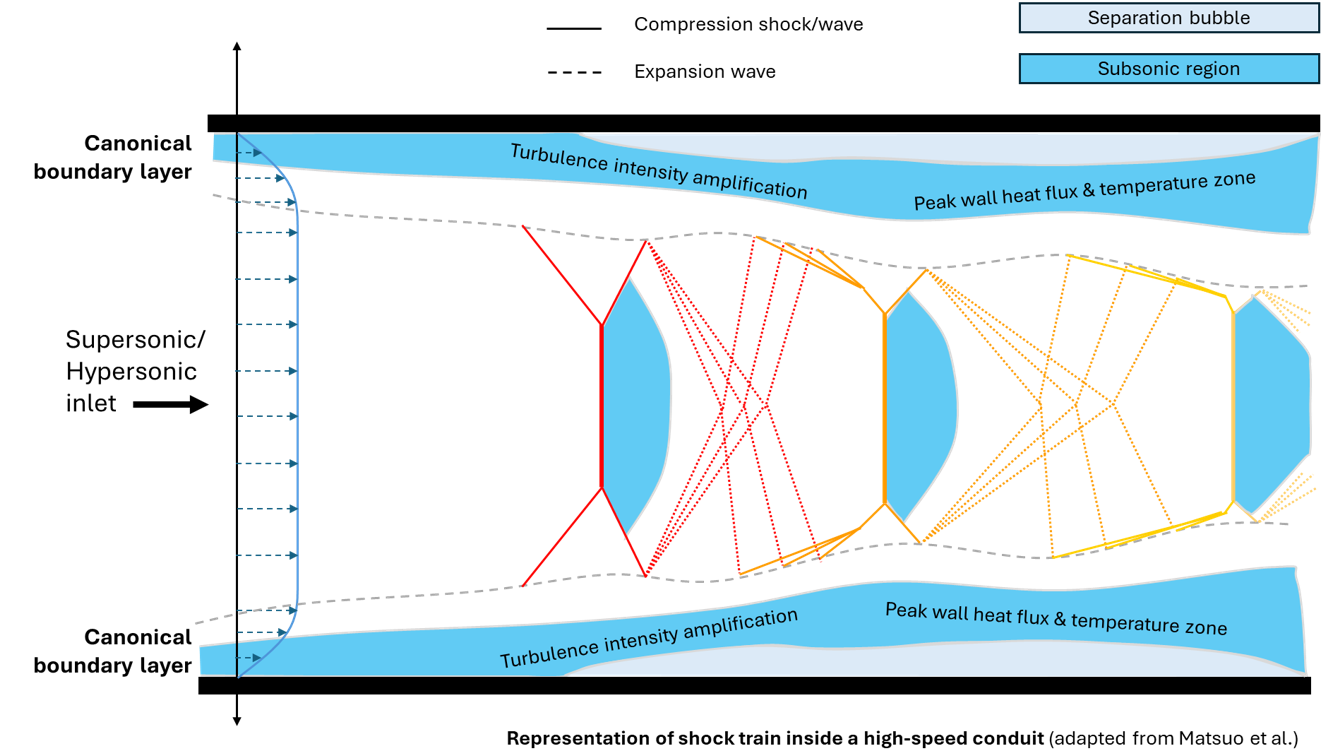
Shock-Boundary Layer Interaction: Shock Trains
In high-speed internal flows, compression is not achieved through a single normal shock.
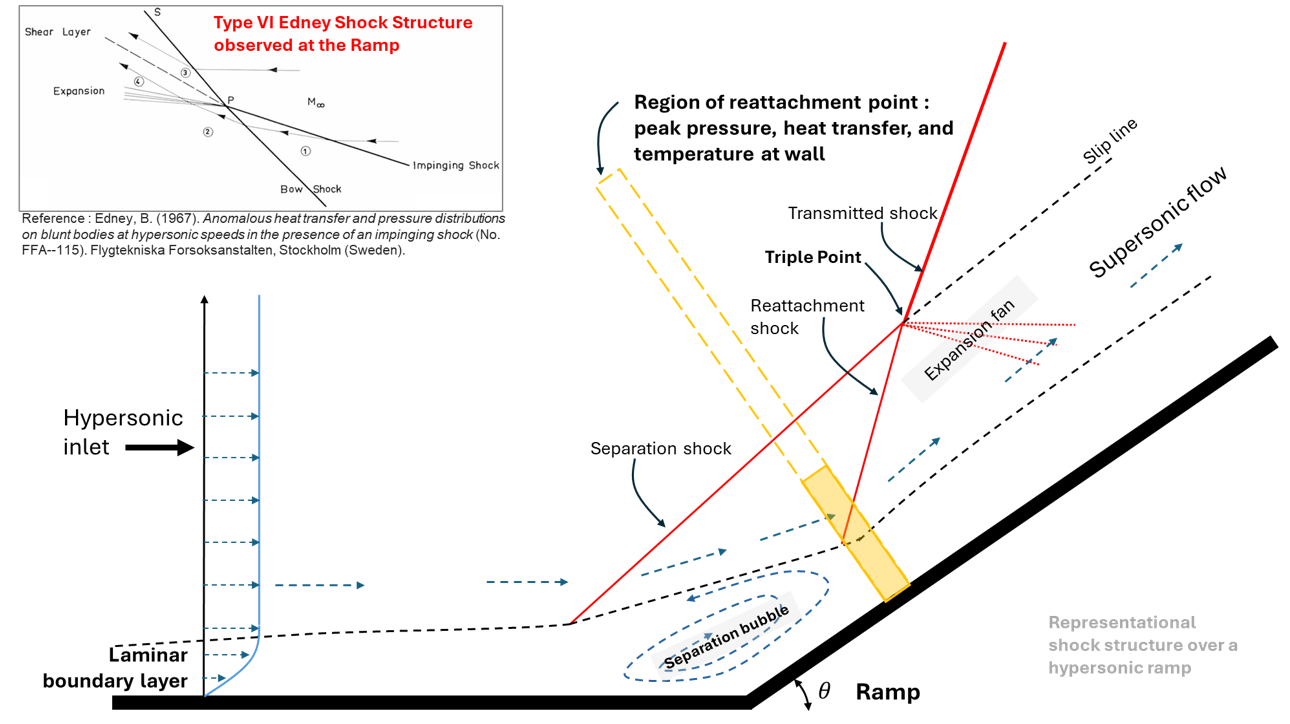
Shock–Boundary Layer Interaction: Compression Ramps
Unlike external shock impingement, compression ramps introduce an interaction that is intrinsically coupled to geometry.
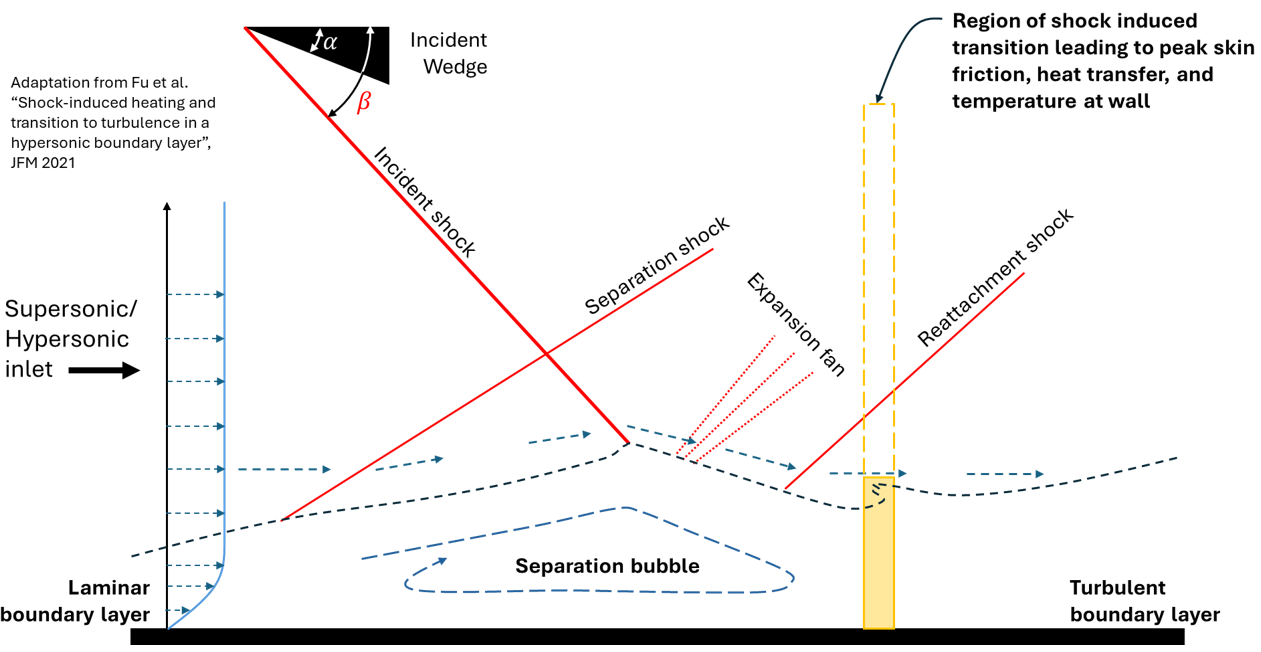
Shock–Boundary Layer Interaction: Incident Shock Impingement
The interaction between an incident shock and a boundary layer is not restricted to hypersonic flows, but its consequences become significantly more severe as Mach number increases.
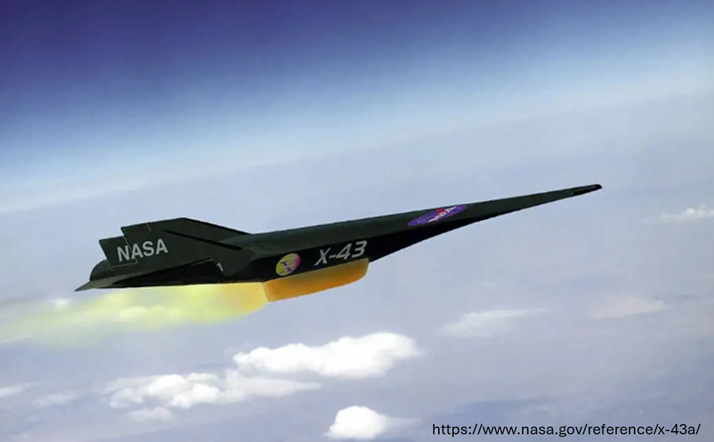
Hypersonic Boundary Layer Transition Control
In hypersonic aerothermodynamics, boundary-layer transition control is not simply about delaying turbulence.
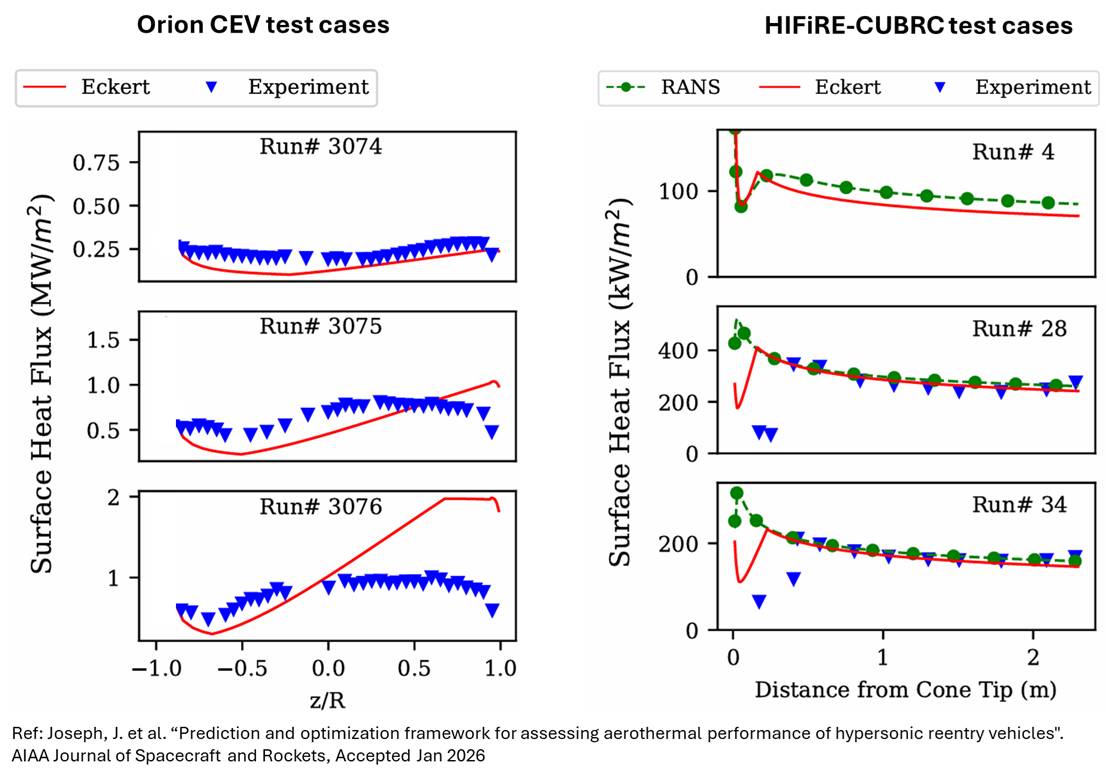
Predicting Hypersonic Boundary Layer Transition
In hypersonic aerothermodynamics, two practical questions matter immediately for assessing boundary layer transition: where it begins, and how long the flow remains transitional before fully turbulent heating is established.
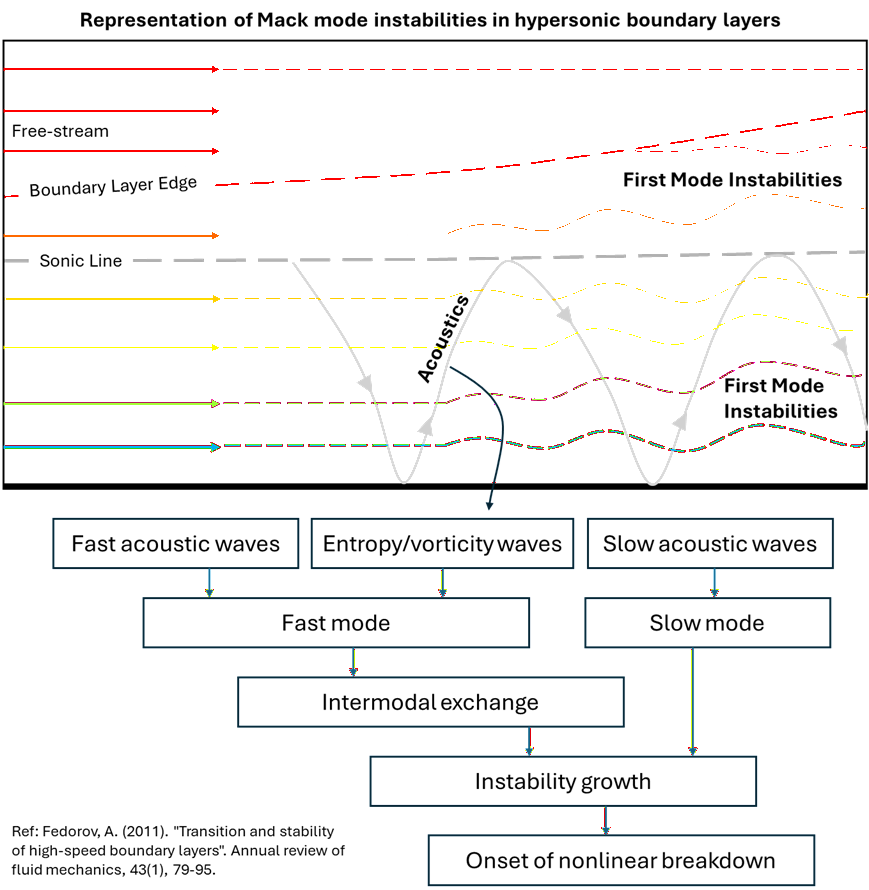
Mack Modes in Hypersonic Transition
A hypersonic boundary layer does not become turbulent through a single instability pathway.
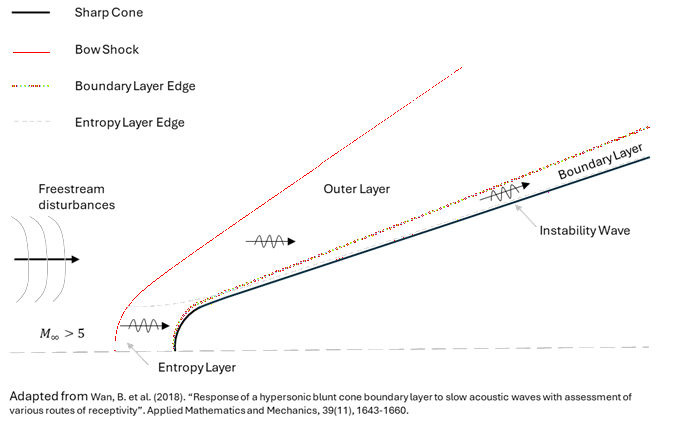
Hypersonic Boundary Layer Transition
Transition to turbulence in hypersonic boundary layers is not governed by a single mechanism.
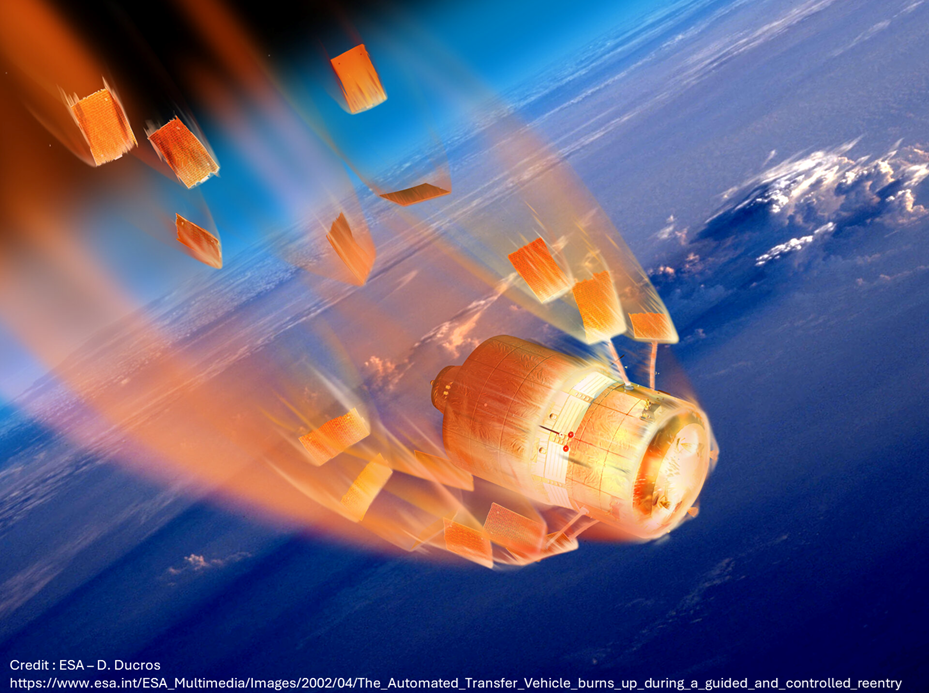
Space Debris and Hypersonics
Currently, Earth's orbit contains roughly 15,000 active satellites and over 50,000 trackable objects, including defunct satellites, rocket bodies, and fragmentation debris.
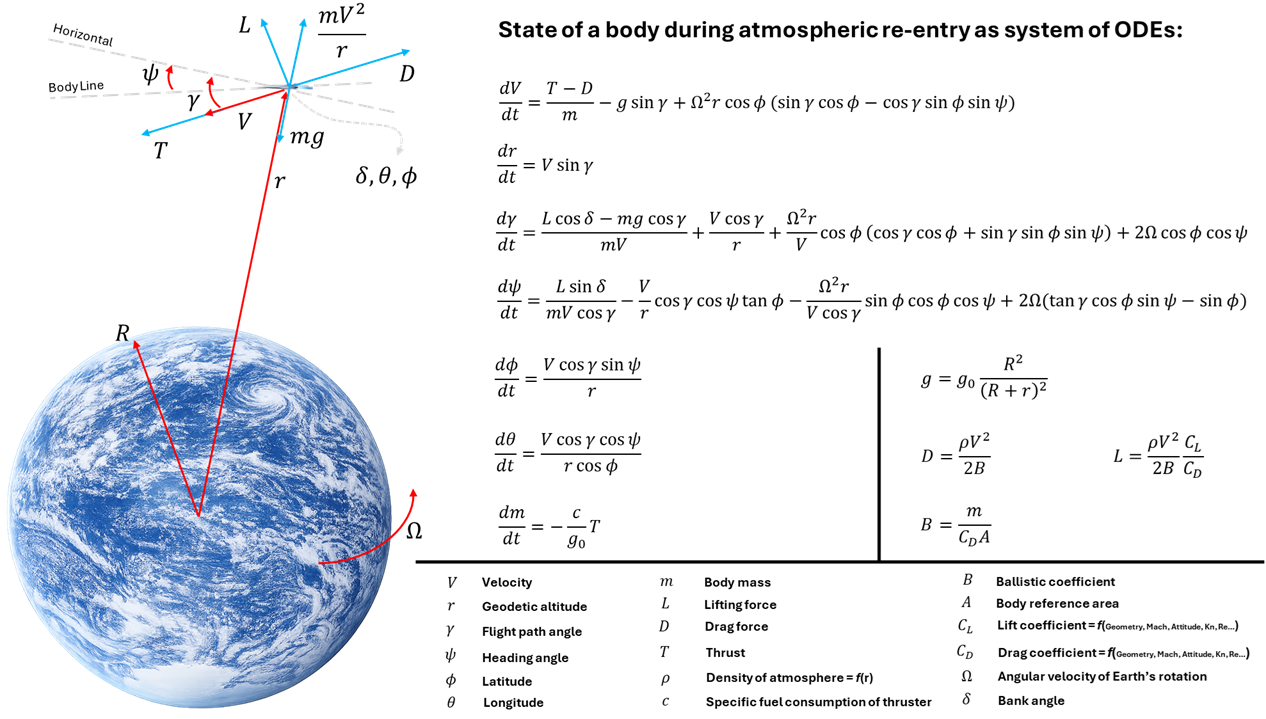
Hypersonic Trajectory Variables
The trajectory of a hypersonic vehicle is often constrained by the integral and peak aerothermal loads experienced during flight.
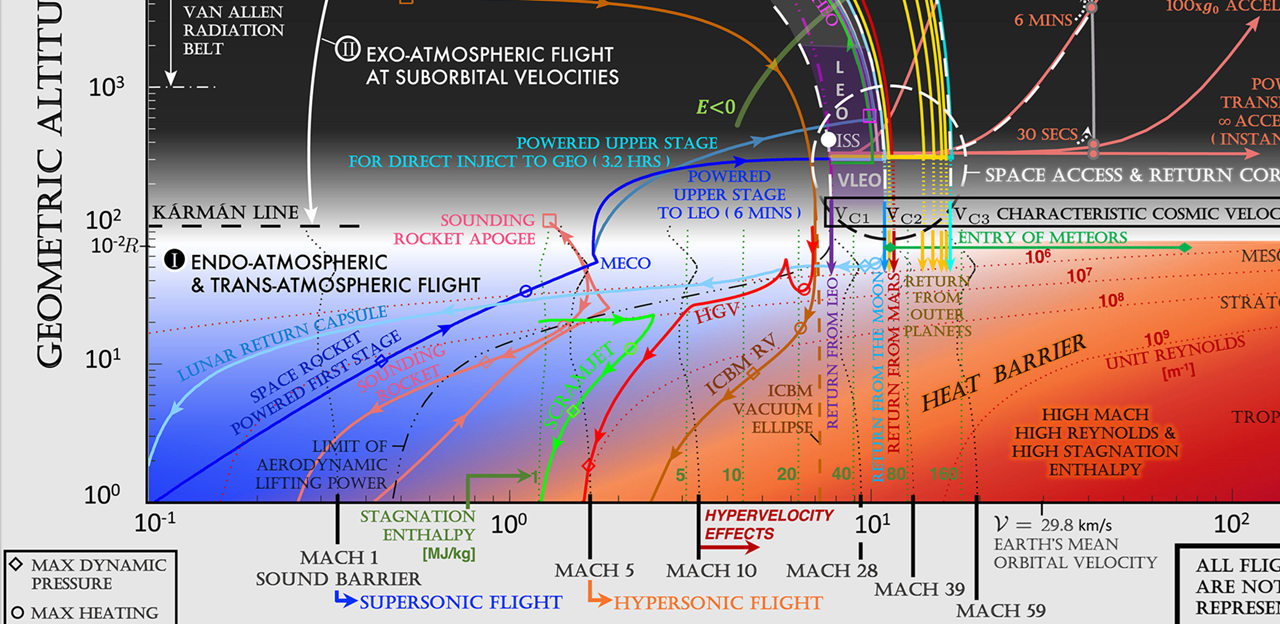
Energy Budget during Hypersonic Re-entry
Space missions often encounter hypersonic physics during the re-entry of interplanetary vehicles.
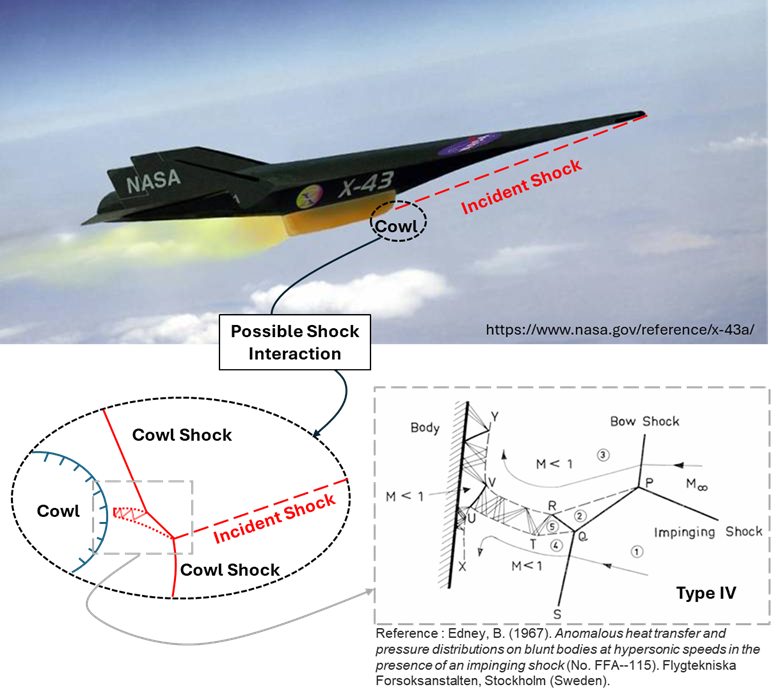
Shock–Shock Interactions in Hypersonics
In hypersonic flight, the forebody shock system does not exist in isolation.
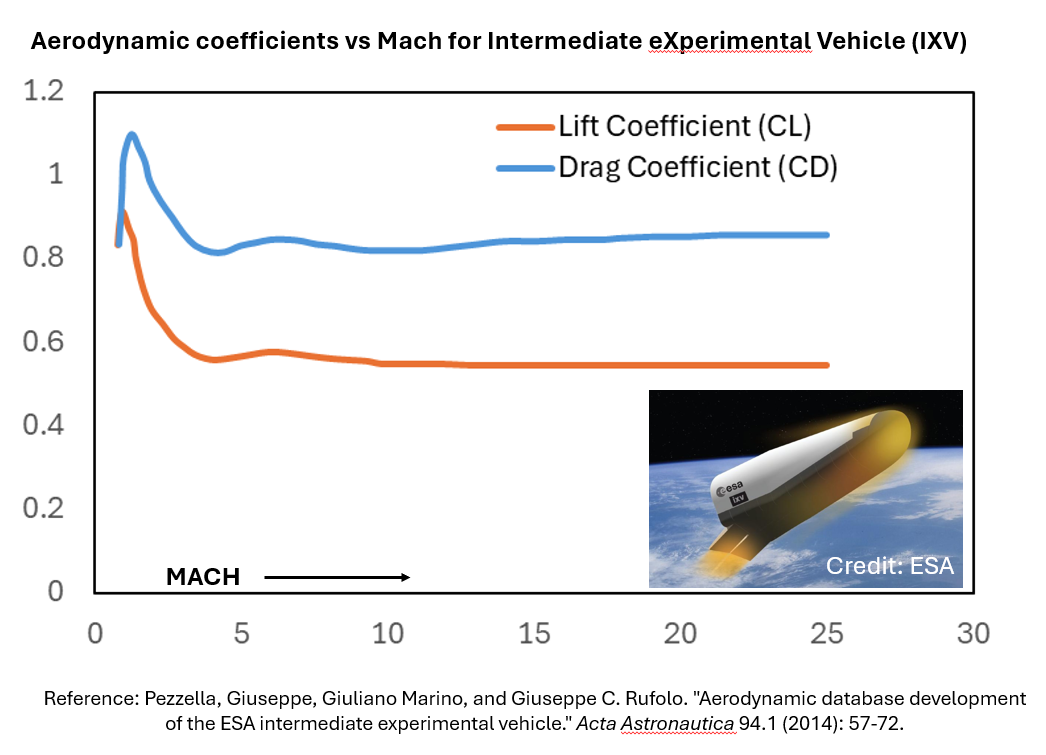
Panel Methods in Hypersonics
Panel methods are among the most practical low-fidelity tools in hypersonic aerodynamics, balancing simplicity with useful accuracy.
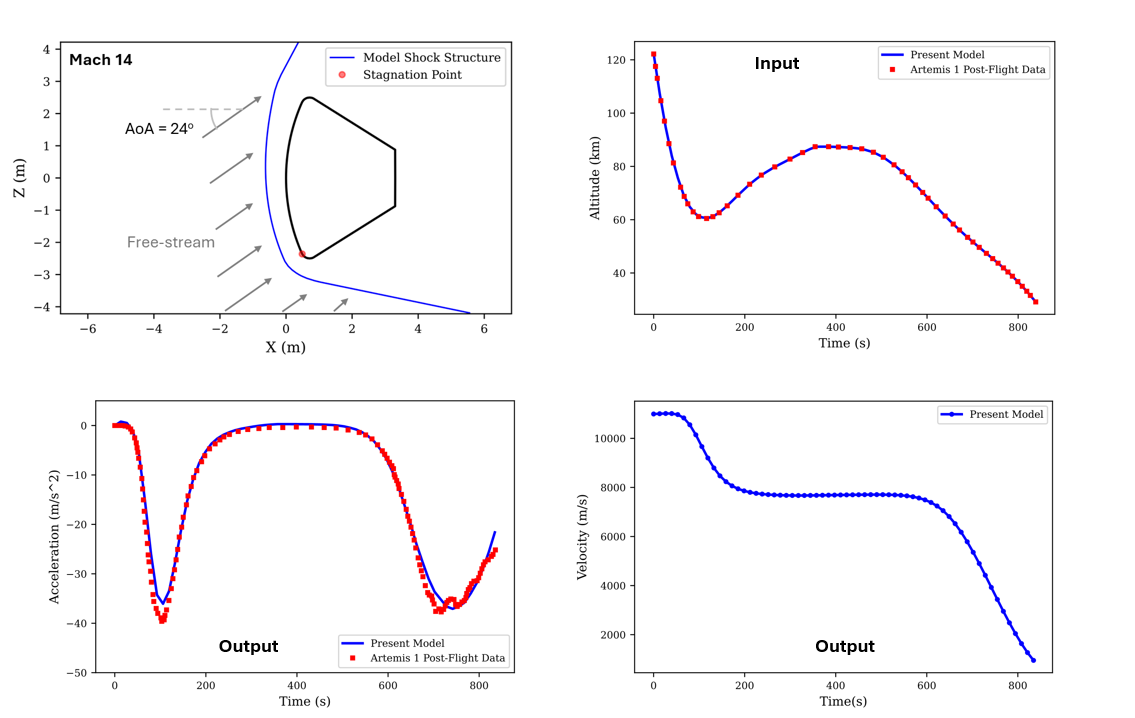
Artemis I Orion Re-entry
During Artemis I, localized Avcoat material deterioration raised questions about thermal margins and how the re-entry environment should be interpreted
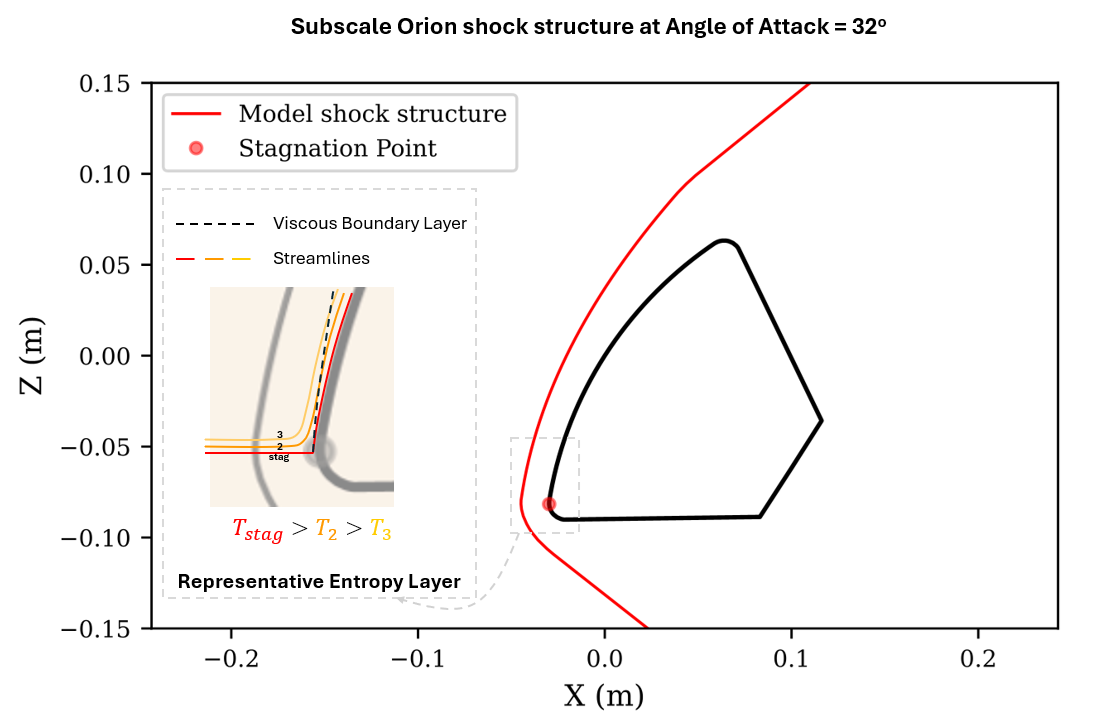
Hypersonic Shocks and Entropy Layer
Compression shocks are nature’s mechanism for changing the magnitude and direction of velocity in supersonic and hypersonic flows.
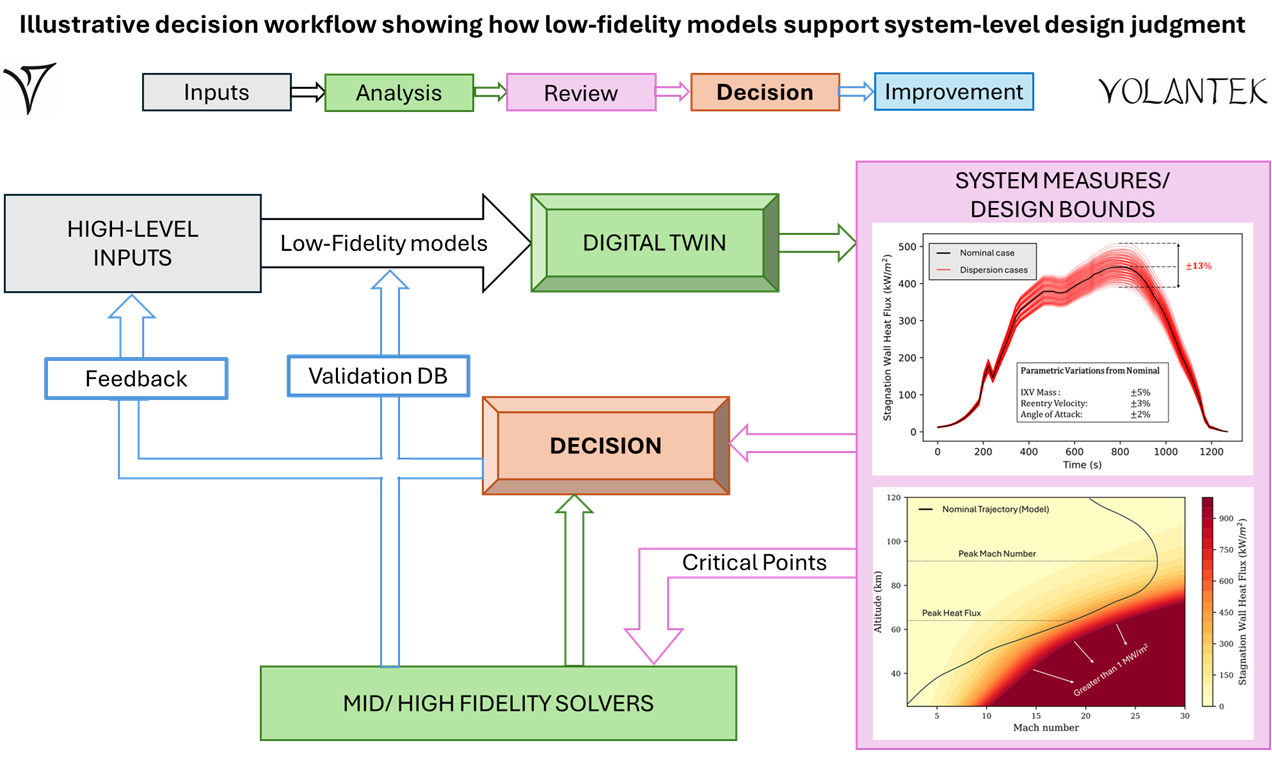
Models: Carriers of Engineering Judgement
Low-fidelity, physics-based models are often viewed as preliminary tools — useful early, then replaced by higher-fidelity analysis.
Hypersonic Trajectory & Heat Flux Trade
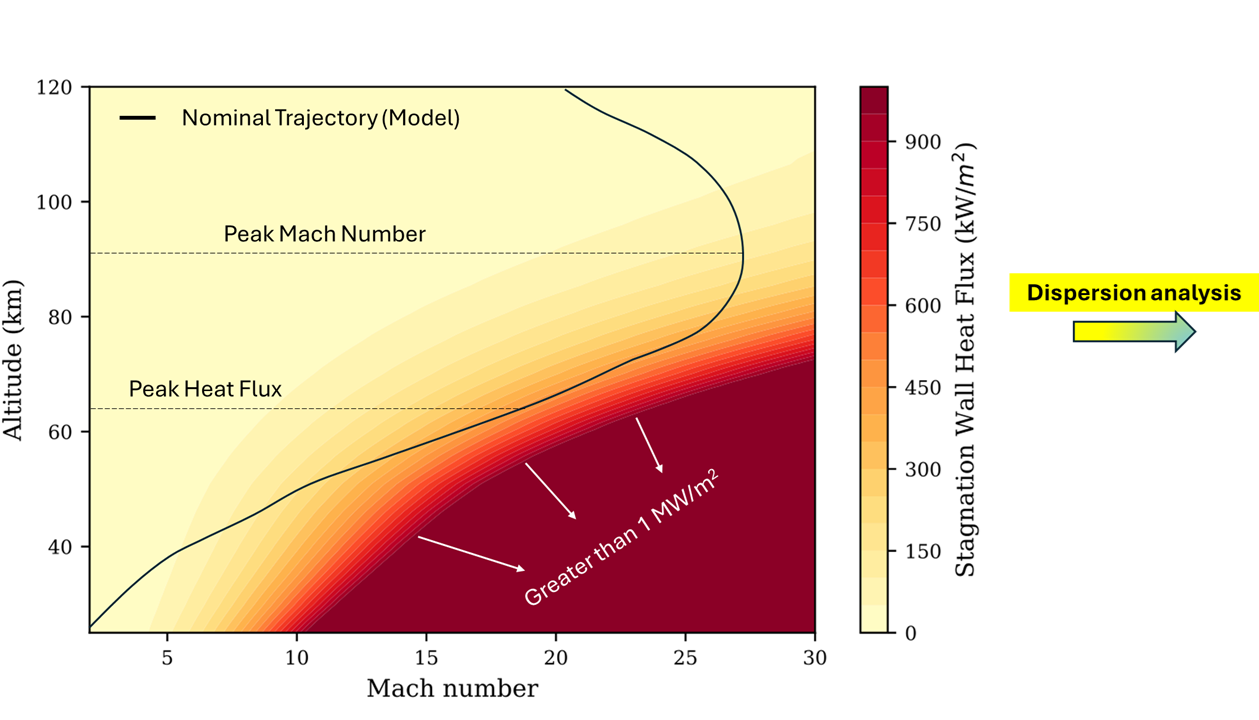
In hypersonic reentry, the difference between a viable trajectory and a failed one is often dictated by stagnation heat flux.
Spatial Aerothermal Loads in Hypersonics
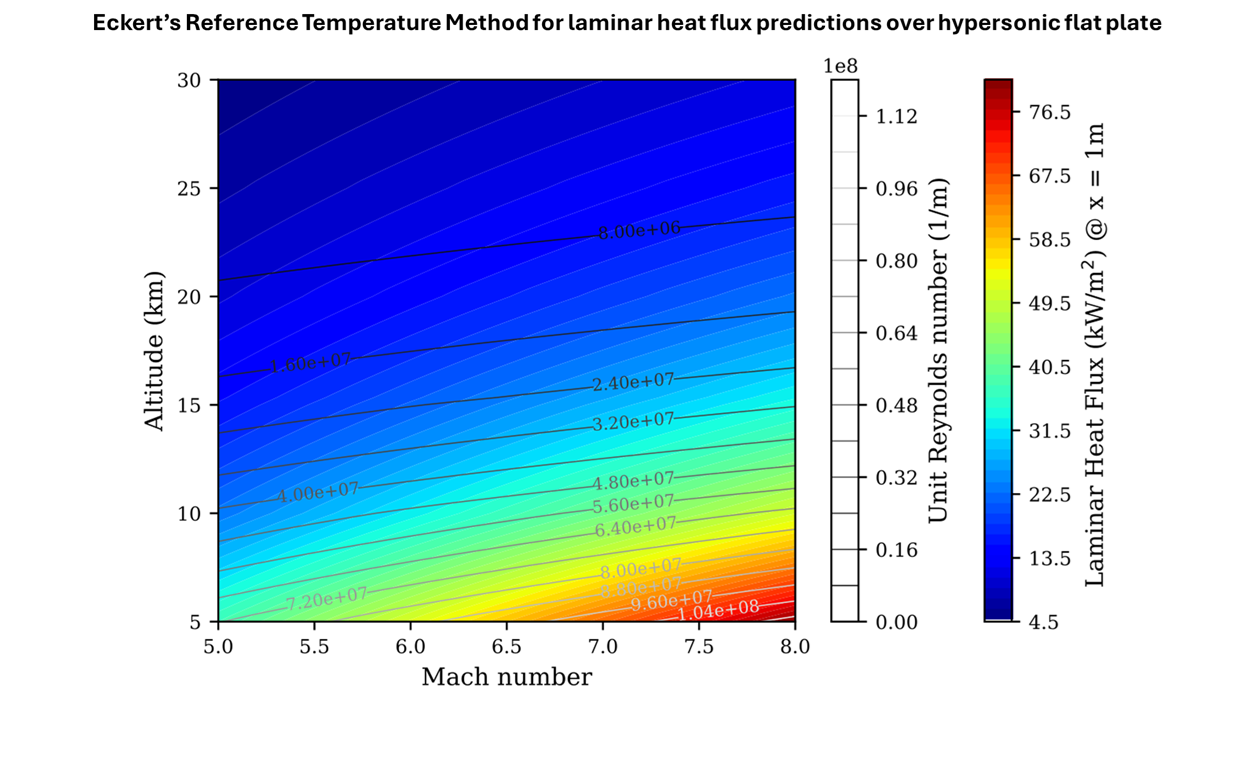
Aerothermal loads ultimately define the operational limits of a hypersonic mission.
Hypersonic Laminar Boundary Layer
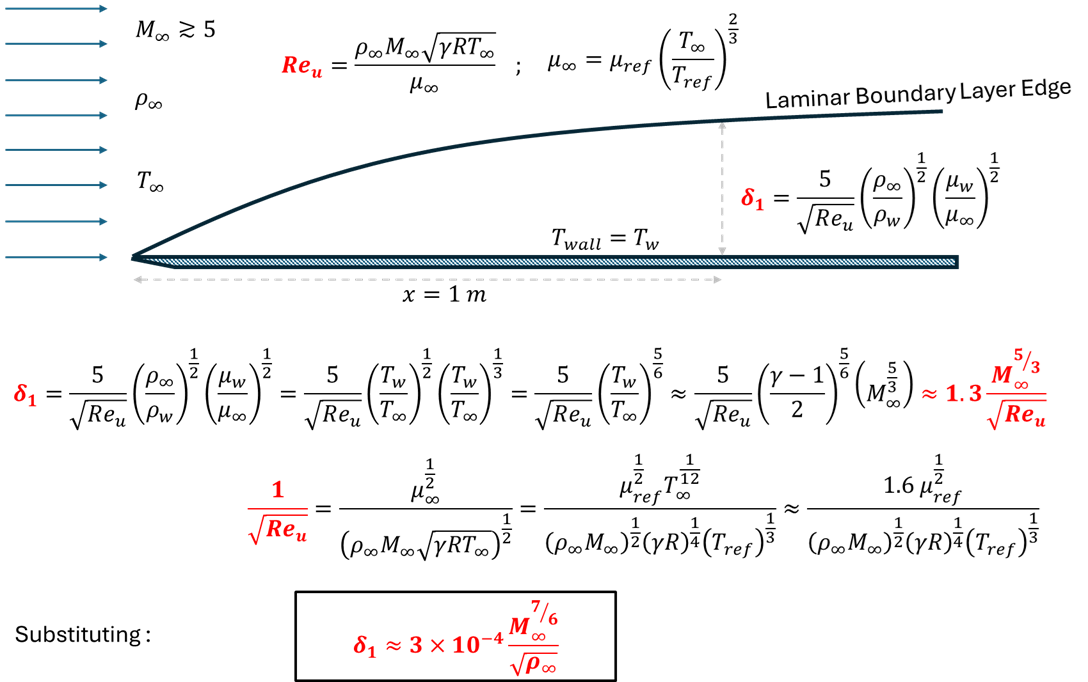
Last week, we explored the asymptotic behaviour of post-shock Mach number and density ratio, leading to an asymptotic unit Reynolds number at the boundary-layer edge.
This raises a natural question: what happens in a shock-free flow?
Asymptotes in Hypersonics
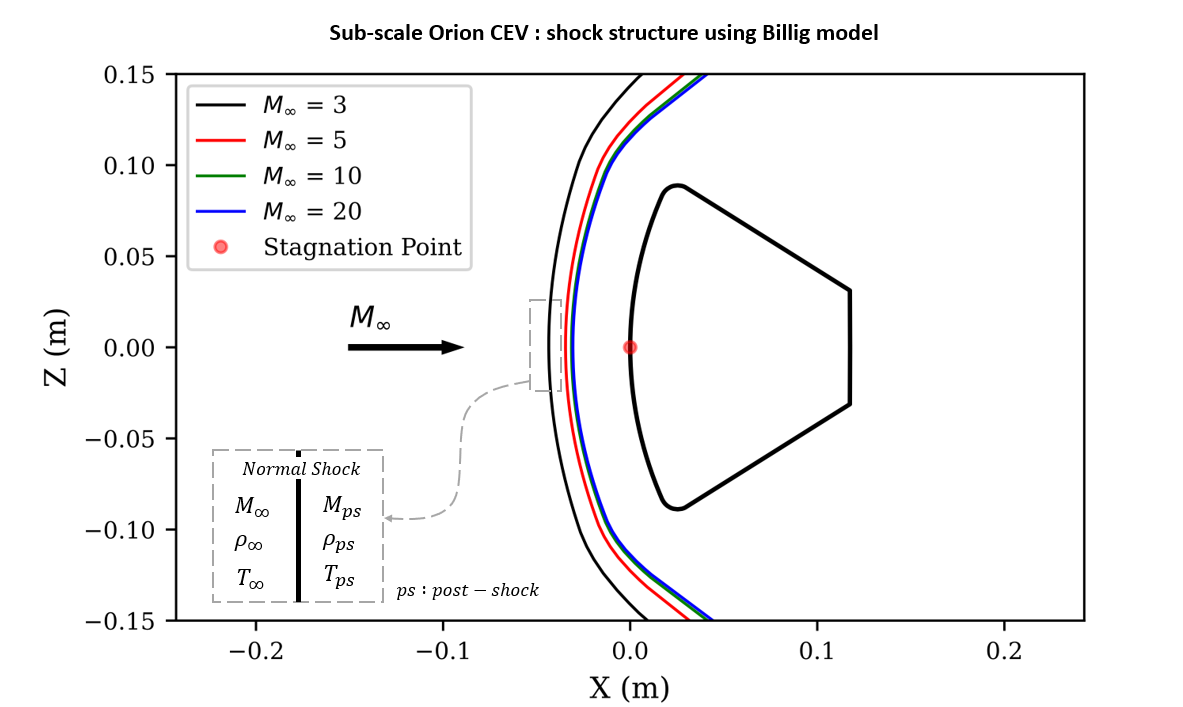
Mach 5 is generally considered the rough bound between supersonics and hypersonics. But why is it so?