

Hypersonics, Made Simpler
Physics-driven digital twins for hypersonic systems operating under extreme thermal, aerodynamic, and mission constraints.
Volantek develops system-level digital twin architectures for reentry and glide-class hypersonic vehicles, built on first-principles, multi-scale physics models that capture the dominant coupled behavior governing hypersonic flight.
Our frameworks integrate the interaction of:
Geometry and configuration
Trajectory and mission profile
Shock structure and high-speed flow physics
Aerodynamics and aerothermodynamics
Conjugate heat transfer and material response
Propulsion effects (where applicable)
Internal configuration and payload placement
This integrated view enables disciplined assessment of scientific and strategic trade-offs, including:
Payload thermal health and survivability
Mission optimization and performance margins
Trajectory dispersion and uncertainty analysis
Operational awareness and threat recognition
Physics-informed technical and policy-level decision support
Designed to support early concept studies, system integration, and operational decision-making where uncertainty carries high consequence.
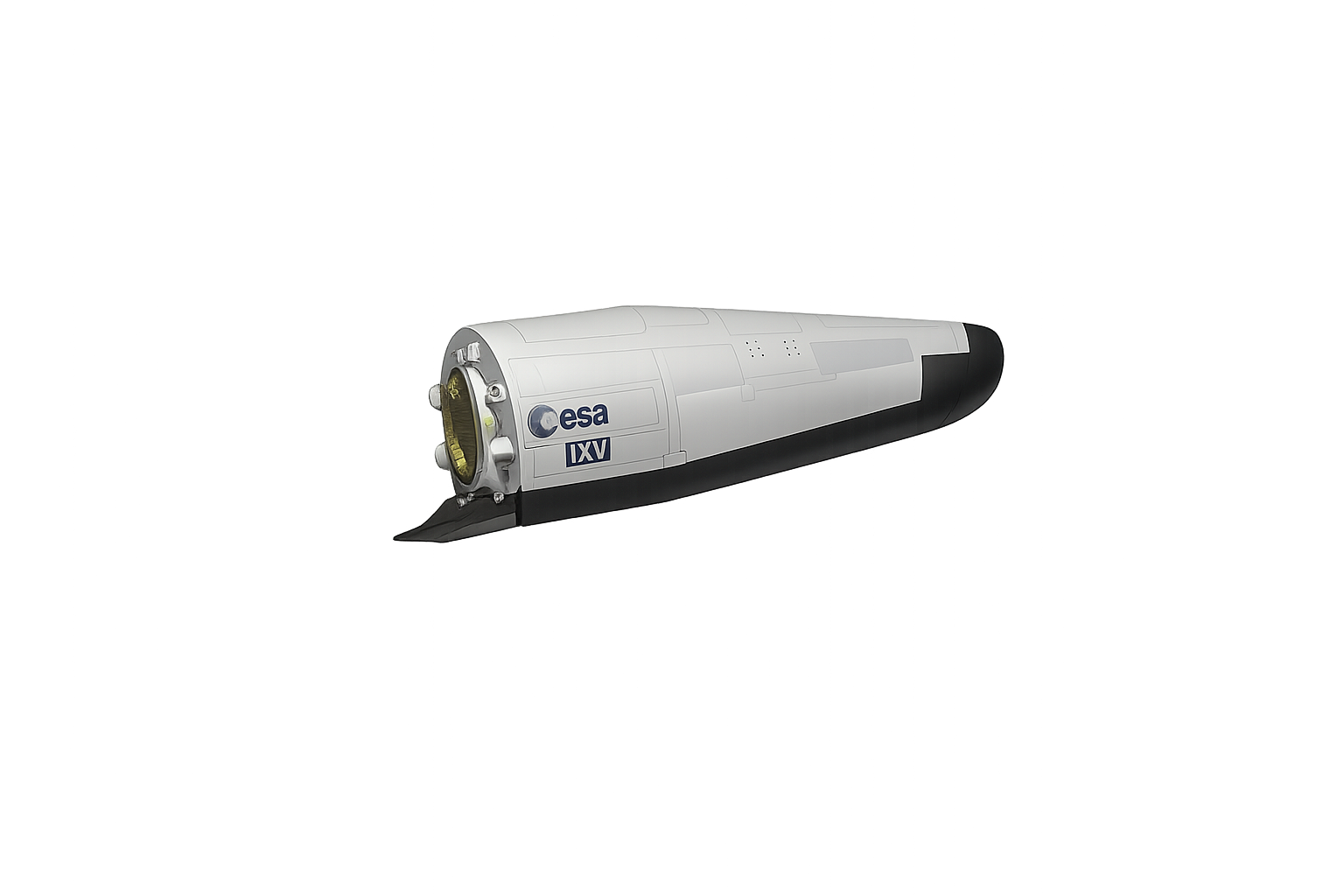


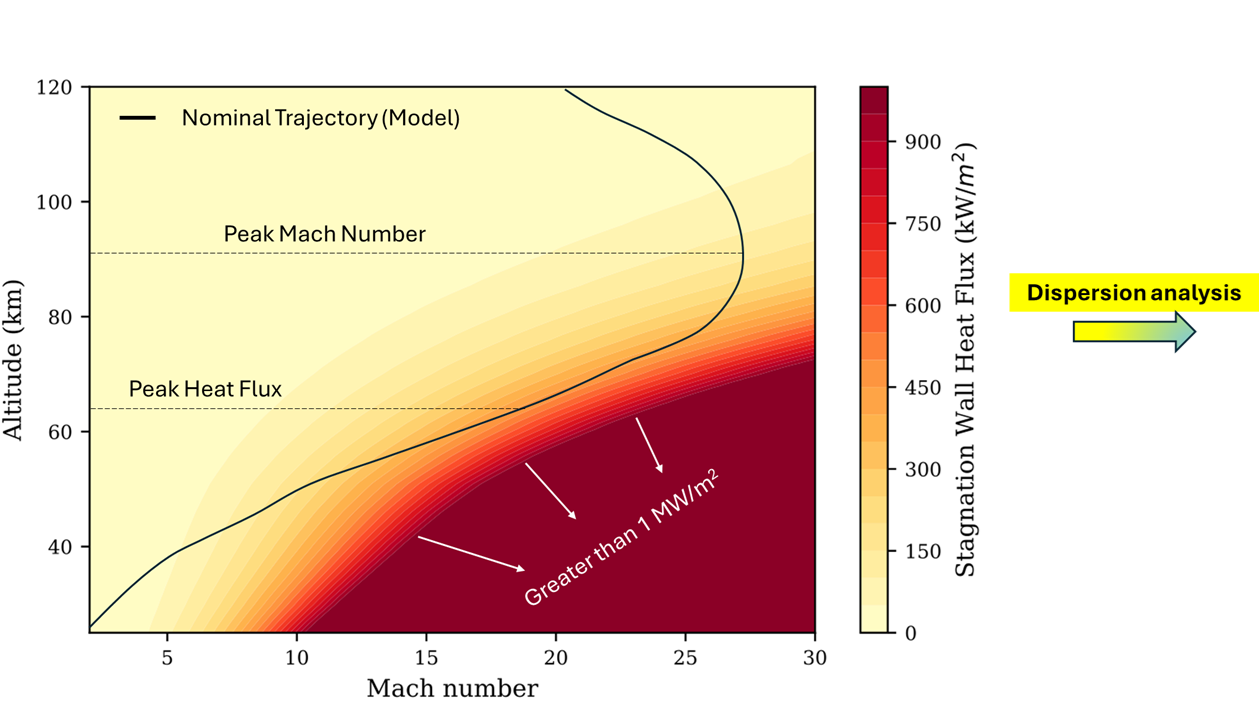
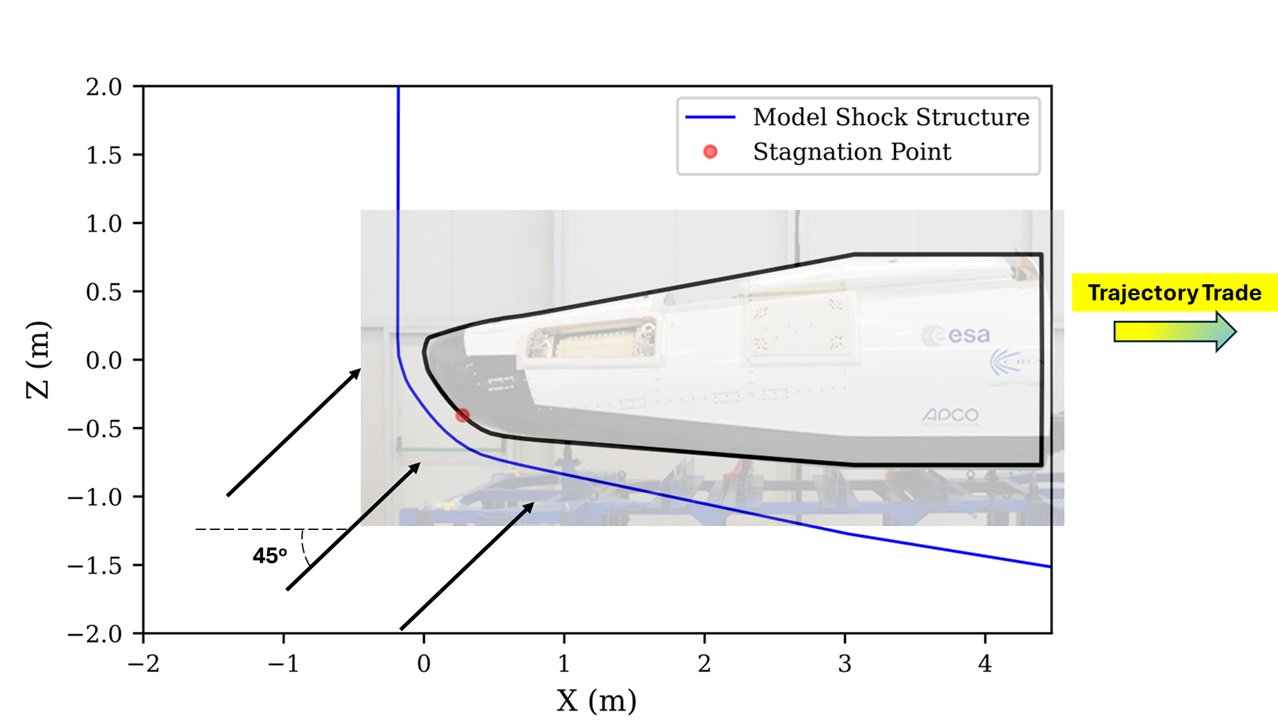
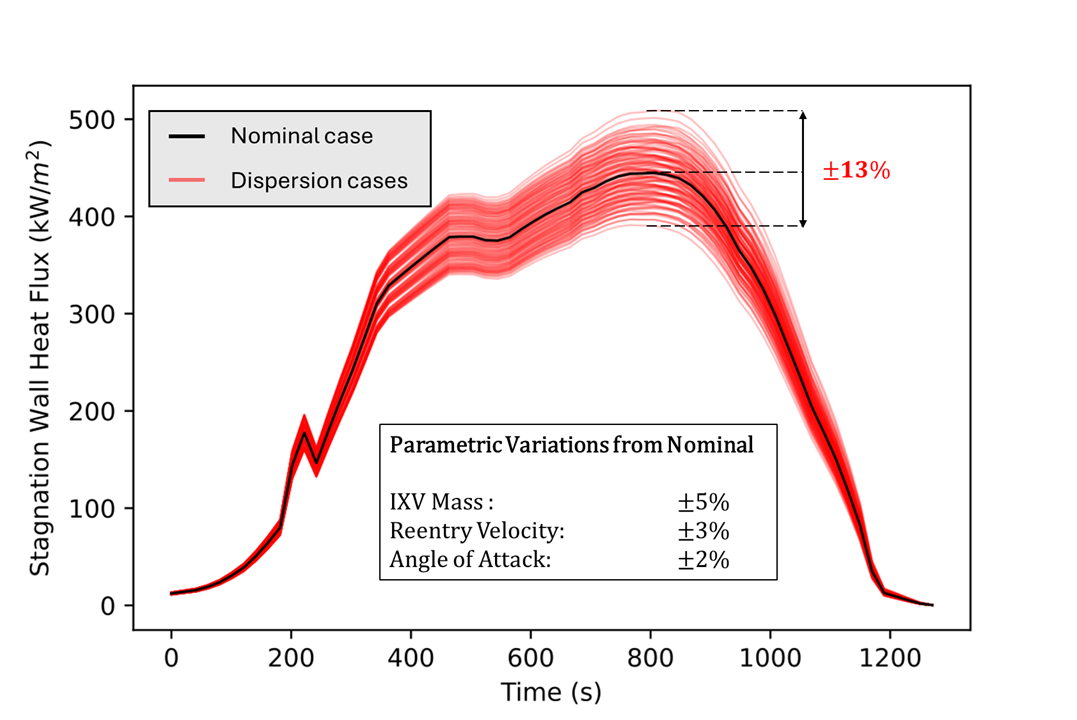
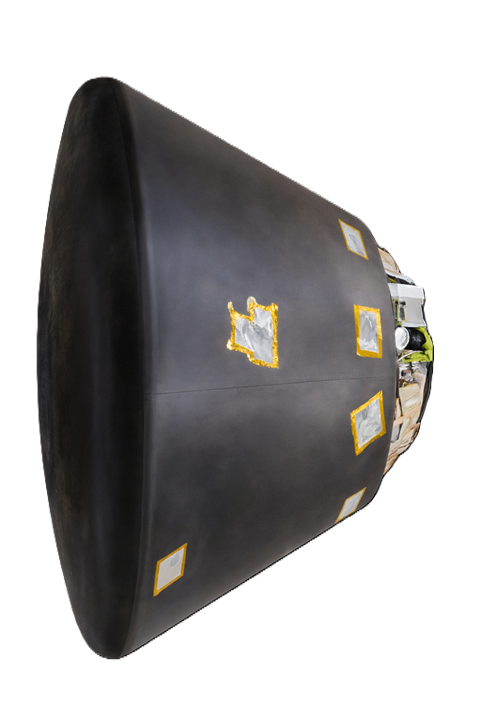
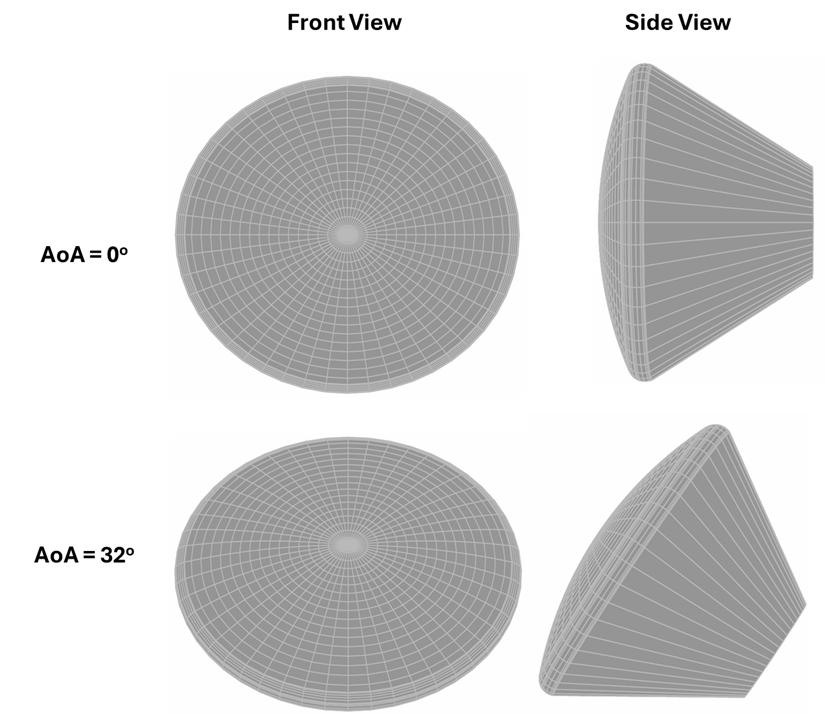
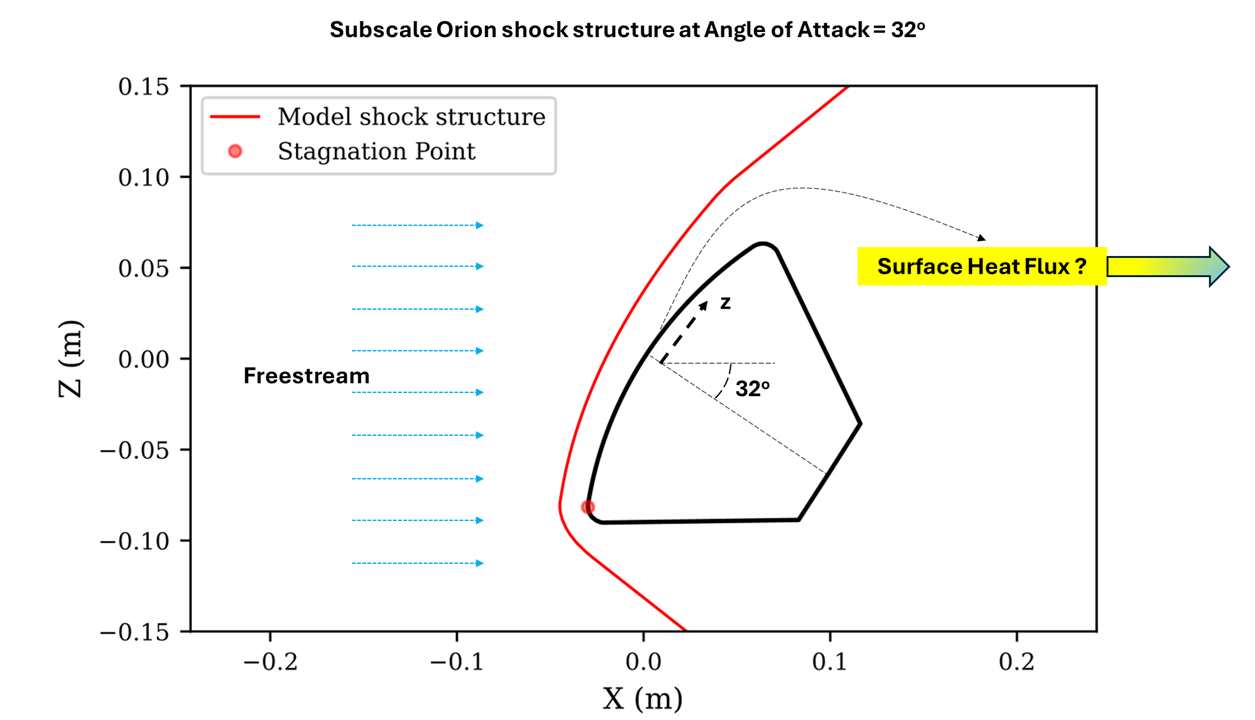
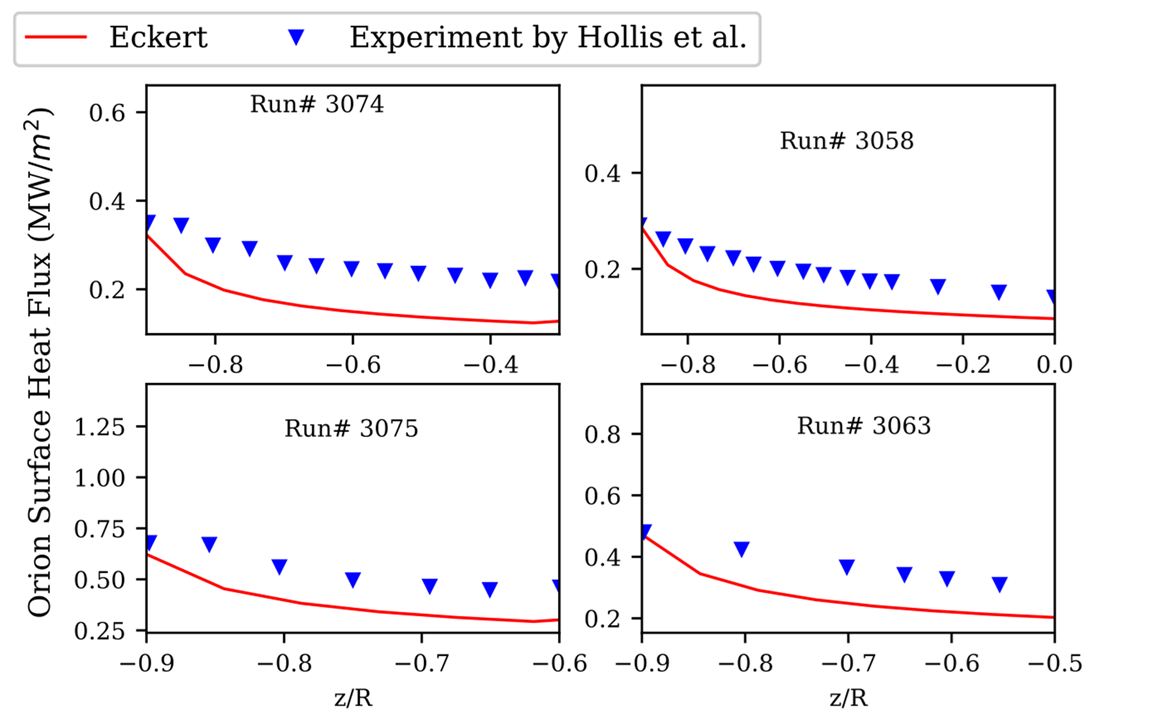
NATO-STO-AVT Panel presentation
Aircraft THermal Environment Simulator (ATHENS)
Joseph, J., Whitside, R., Hickey, JP., (2026). Prediction and optimization framework for assessing aerothermal performance of hypersonic reentry vehicles. AIAA Journal of Spacecraft and Rockets (AIAA-JSR), https://arc.aiaa.org/doi/10.2514/1.A36485
Joseph, J., Whitside, R., Hickey, JP., (2026). HIFiRE-1 Flight Assessment using MARSHAL - Multiphysics Architecture for Real-time Simulation of High-speed Aerothermodynamic Loads. 27th AIAA International Space Planes and Hypersonic Systems and Technologies Conference, Naples, Italy - July 2026 (accepted for presentation).
Proof of Concept